The Weekly 6‑Point Houseplant Check: A Quick, Repeatable Care Method
A short, beginner-friendly six-step routine you can do once a week to keep houseplants healthy, followed by easy variations and simple troubleshooting tips.
Keeping houseplants healthy doesn’t need to be complicated. A short, consistent habit you do once a week can prevent common problems and help you notice changes early. Below is a six-point method you can complete in five to ten minutes, plus simple variations for different plants and a troubleshooting guide for common issues.
A simple 6-step weekly check
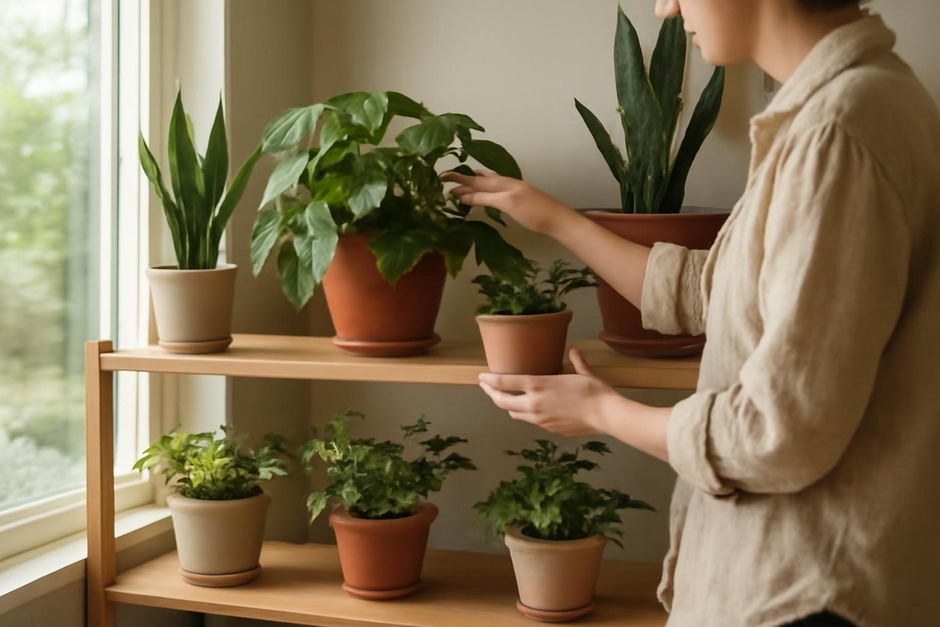
- Look over the whole plant. Scan for yellowing, brown edges, wilting, pests (small webs, sticky residue, tiny insects), or new damage. Take a mental photo so you can compare week to week.
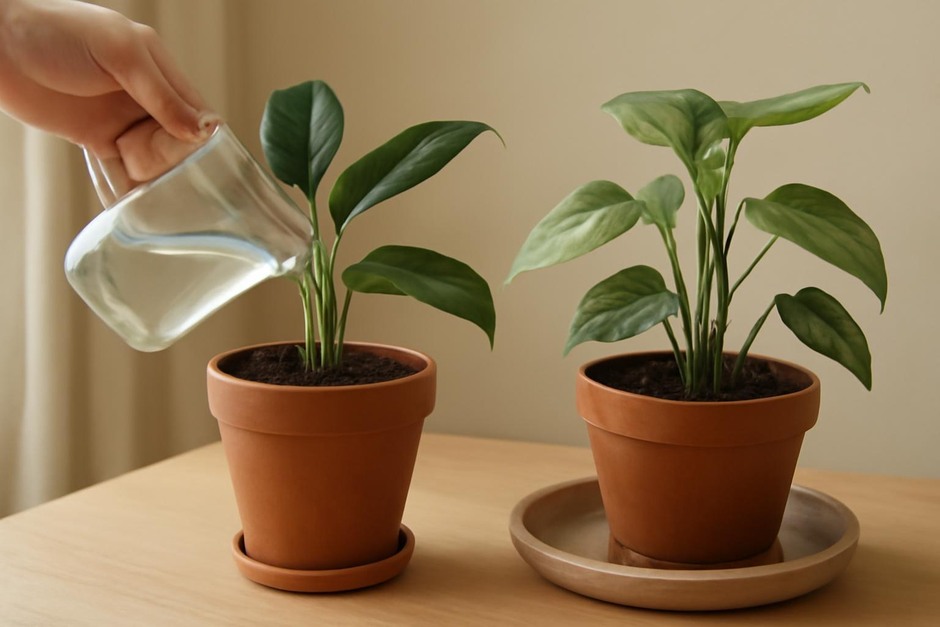
- Test the soil moisture. Use your finger about an inch into the soil (deeper for large pots). If it feels dry at that depth, it’s usually time to water; if it’s still damp, wait. This helps you water by need, not by schedule.
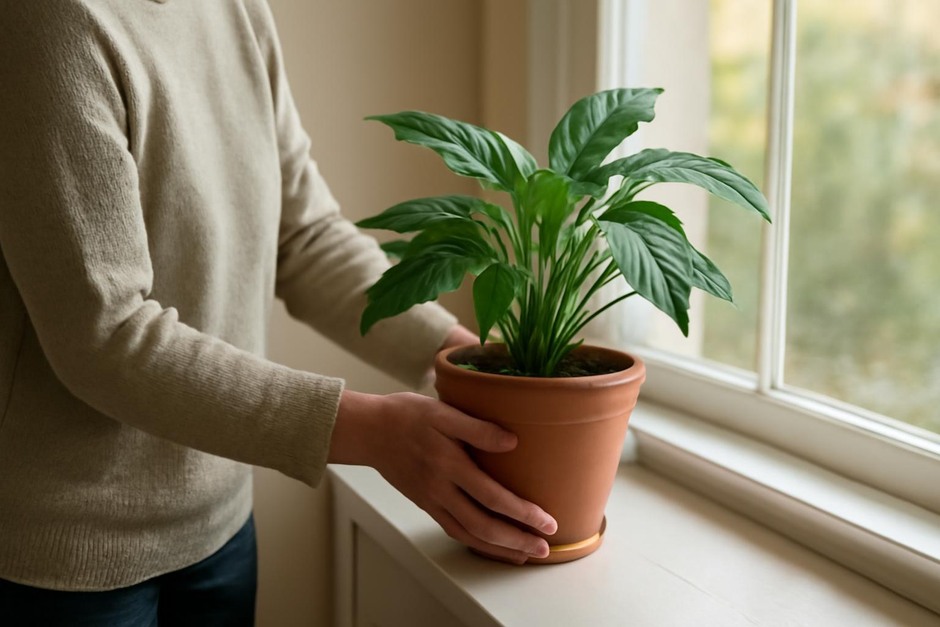
- Check drainage and pot position. Make sure the saucer isn’t full of standing water and that the pot drains freely after watering. Confirm the plant’s position relative to the window—rotate slightly if growth is leaning toward the light.
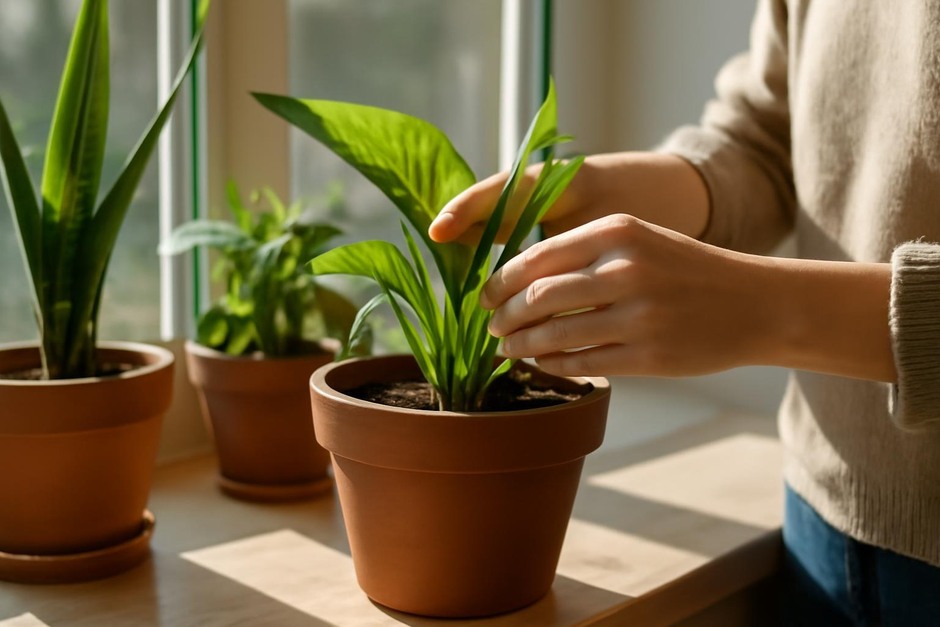
- Inspect leaves and stems closely. Wipe dust gently from leaves with a soft cloth or damp paper towel. Remove any dead leaves at the base. For fuzzy-leaved plants, brush lightly rather than wiping with wet cloths.
- Assess humidity and room conditions. Note if the room feels dry (especially in winter) or hot and drafty. If you have several plants, consider grouping higher-humidity plants together or using a simple humidity tray.
- Make one small action. Decide on a single, practical follow-up: water, move the plant, trim a damaged leaf, repot into a slightly larger pot, or note when to fertilize. Small, regular steps beat sporadic overhauls.
Variations for light, size, and plant type
- Low-light plants (ZZ plants, snake plants): Test soil deeper—these prefer drier conditions. Skip dusting delicate leaves frequently; less disturbance is usually better.
- Bright-window plants (succulents, herbs): Check for signs of sunburn (white patches) after very sunny days. Rotate more often to keep growth even, and ensure pots have excellent drainage.
- Large or heavy pots: Lift the pot slightly to feel weight before watering. If heavy, water less often but thoroughly when needed; consider using a tray to capture runoff.
- Plants with fuzzy or delicate leaves (e.g., African violets): Use a soft brush for dusting and avoid wetting the leaves directly. Use a humidity tray nearby rather than misting.
- Seedlings and young plants: Check soil more frequently and be gentle when handling. Ensure even light exposure to prevent legginess.
Troubleshooting: quick fixes for common problems
- Yellowing leaves in lower foliage: Often normal aging or a sign of overwatering. Confirm soil moisture and improve drainage; remove yellow leaves to tidy appearance.
- Brown leaf tips and edges: Usually low humidity or salt buildup. Wipe leaves, flush soil with water once (if drainage allows) to remove salts, and increase humidity near the plant.
- Leggy growth (long stems, sparse leaves): Move the plant to a brighter spot or provide more even light by rotating regularly. Pinch back leggy stems to encourage bushier growth.
- Pests (tiny insects, sticky residue): Isolate the plant. Wipe leaves with a mild soapy water solution and repeat the weekly check more frequently until pests clear. For heavy infestations, remove heavily affected leaves before treatment.
- Soil that stays soggy: Repot into a mix with more drainage (add perlite or grit), or choose a pot with an extra drainage hole. Avoid watering again until the top inch of soil is dry.
- Sudden wilting: Check soil moisture and pot drainage first. If soil is dry, give a slow, thorough watering; if soggy, let the soil dry and adjust future watering.
Do this six-point check at the same time each week—perhaps during a morning coffee or before your weekend tidy-up. The routine trains you to notice gradual changes and take one manageable action each week, which keeps care simple and steady. Over time, you’ll learn each plant’s rhythm and be able to adjust these steps to suit them better.