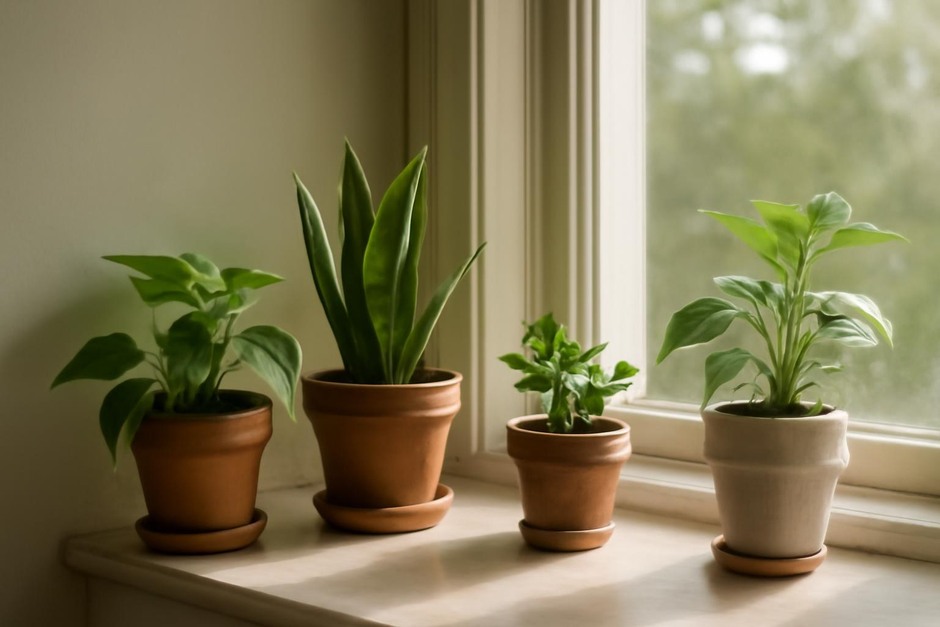
Windowsill Microclimates: Observing and Working with Tiny Differences in a Room
Opening observation: on a single windowsill it’s common to find a slow but meaningful patchwork of conditions. A pot three inches from the glass warms differently than one half a foot back; the corner near the sash is cooler on a winter morning; a trailing vine leans toward the brighter end. These small differences—microclimates—shape how plants grow across a room more than any single sweeping rule. The useful skill is precise watching: notice the pattern before you act.
1. Map what’s actually different, simply and quietly
Start with calm, repeatable observation rather than gadgets. Over several days note when the brightest patch happens, where drafts appear, and when surfaces feel warm or cool. A few concrete ways to map a microclimate:
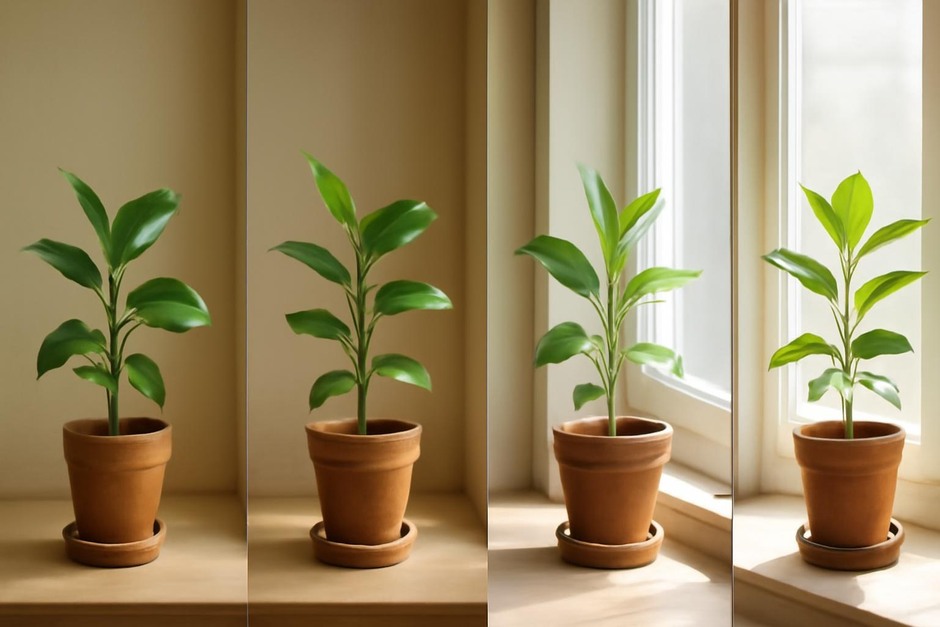
- Light checks: take a phone photo at the same times for a few days to compare brightness and shadow length. Small differences become obvious in sequences.
- Temperature and draft: place your hand near the sill at different heights and times—does the glass feel cool in the morning, or is the sash leaking a slight breeze?
- Humidity hints: watch how quickly soil surface dries in pots at different spots; check if nearby plants form condensation on leaves at night.
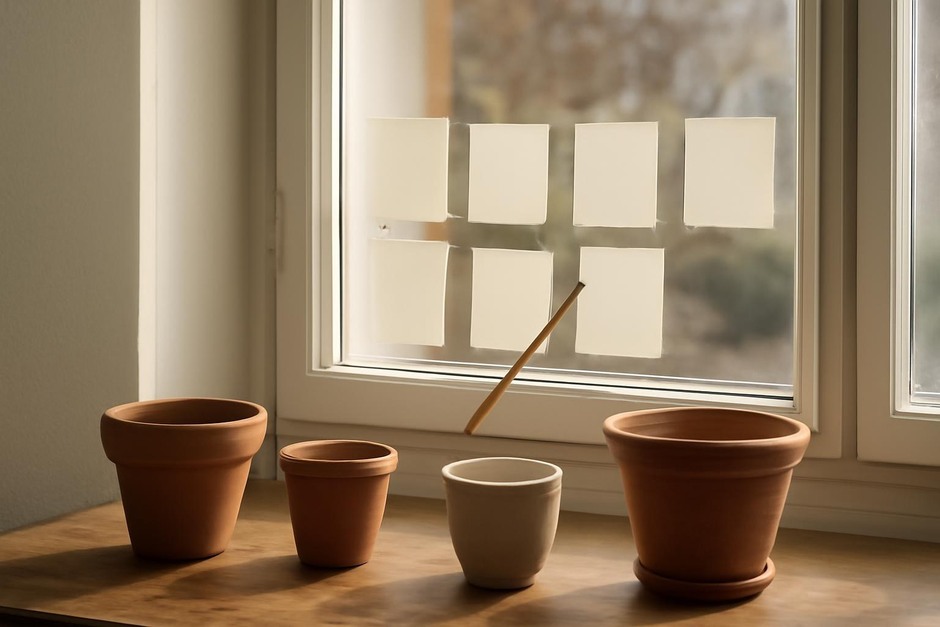
Record these notes on a sticky note or a small notebook kept near the plants. The point is pattern recognition: when and where conditions repeat.
2. Read plant responses as local clues
Plants reveal the microclimates they live in. Look for steady, local signals rather than single blemishes:
- Growth direction: stems angled toward one end of the sill usually mean a consistently brighter side rather than a single bright day.
- Leaf texture and color: thinner, paler growth often indicates less light; leathery, slow-growing leaves may be adapting to a cooler or drier spot.
- Timing of new shoots: compare how often a plant flowers or pushes new leaves in one spot versus another. Regular differences point to a persistent microclimate.
Treat these observations like field notes: compare a pot in the same place week to week to see whether your adjustments change the plant’s behavior.
3. Try small, reversible experiments
Because microclimates are local and subtle, keep changes minor and reversible. A few low-risk experiments:
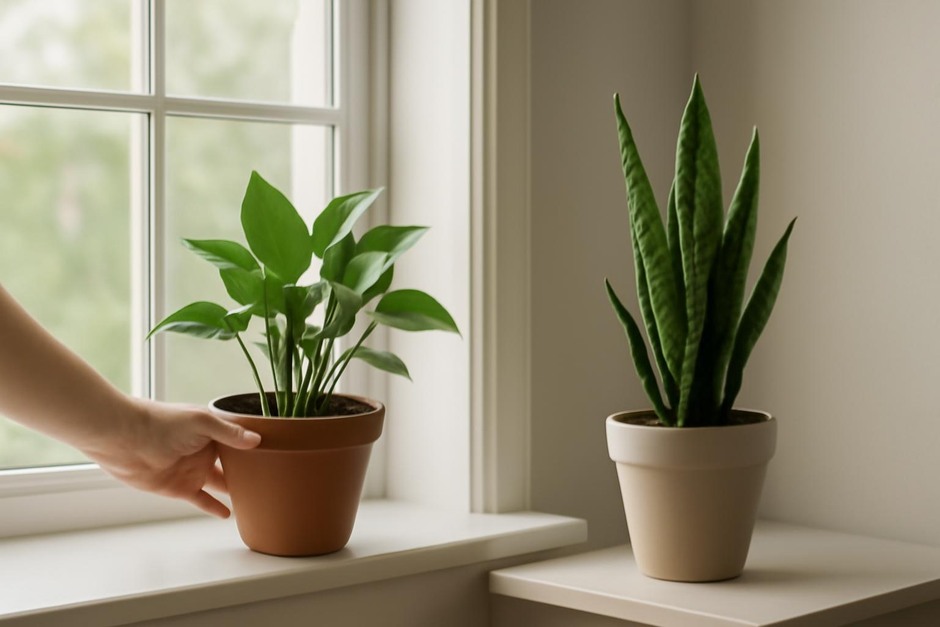
- Move a pot a few inches: shifting a plant laterally or a few inches closer to or farther from the glass for two weeks will often reveal whether light or temperature was the limiting factor.
- Raise or lower a pot: elevating a plant on a saucer or a small stand can reduce draft exposure and change light angle without repotting.
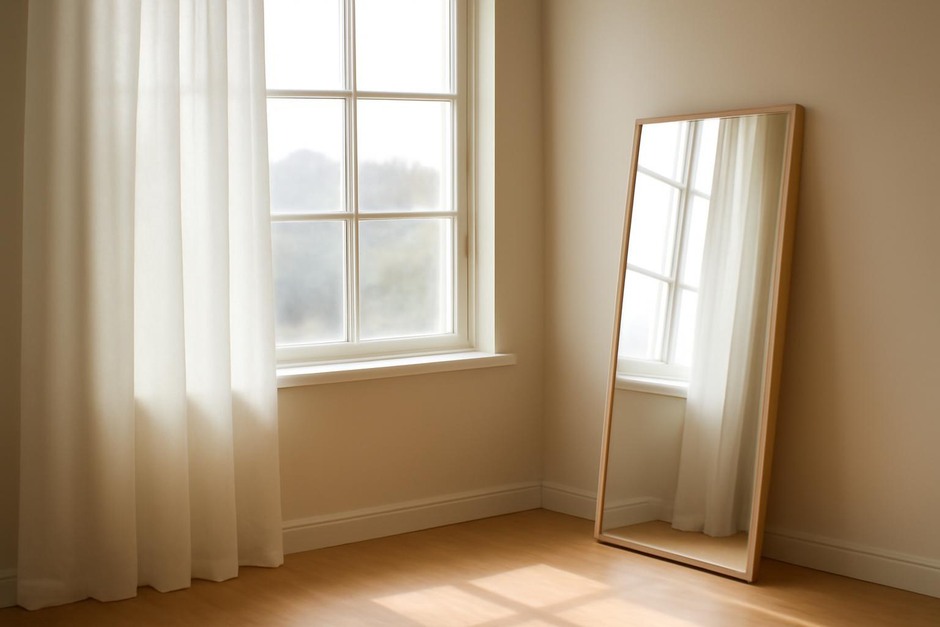
- Introduce a thin diffuser: a sheer curtain or a sheet of tracing paper can soften intense afternoon sun for a trial period; remove it if growth slows.
- Temporary grouping: cluster a few plants together for a week to test whether they benefit from shared humidity; separate them again to monitor individual responses.
Note results and give each experiment at least one growth cycle—several weeks—before concluding it succeeds or fails.
4. Make small design choices that respect local variation
After mapping and testing, arrange plants to match each mini-environment rather than forcing uniformity. Practical approaches:
- Assign roles: reserve the brightest strip for plants that show quick, pale growth in lower light, and keep the cooler corner for species that tolerate less warmth.
- Use tiers and stands: vertical staging helps fit plants into their preferred light without crowding the sill.
- Targeted micro-interventions: a small lamp or a pebble-tray humidifier focused on a particular shelf can correct a local imbalance without changing the whole room.
- Accept and celebrate variation: not every plant needs the same spot—diverse microclimates let a broader range of species thrive.
Measured conclusion: patience, notes, and quiet adjustments
Microclimates are small and persistent. The practical approach is patient observation paired with small, reversible changes recorded in a few notes. Over time those notes form a map: where light softens at 4 p.m., where a draft appears on winter mornings, which shelf keeps soil damp longer. Work with those details rather than against them. The result is a calmer practice and plants that settle into places chosen by evidence rather than guesswork.