Living with Gentle Light: Small Adjustments for Shorter Days
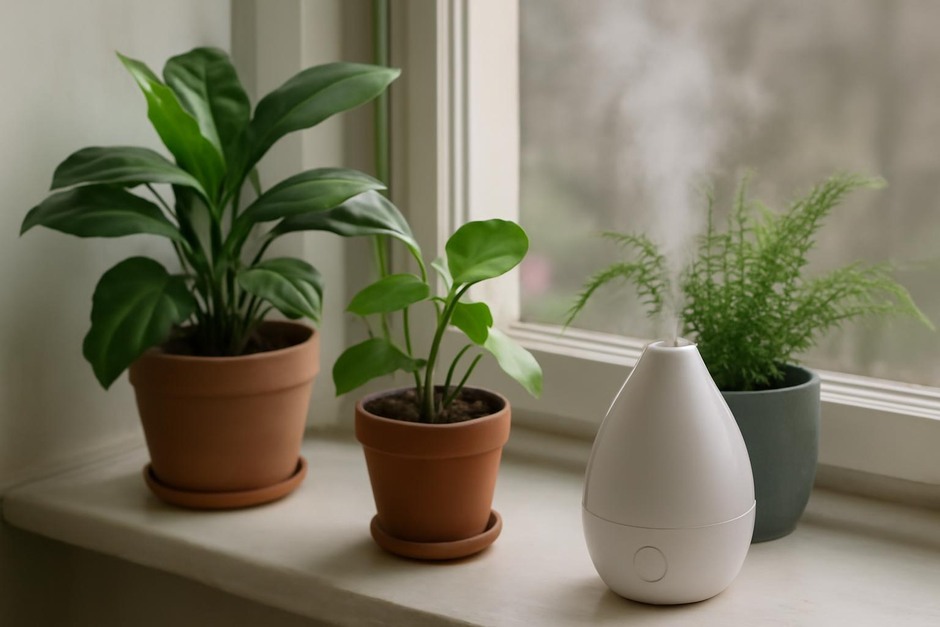
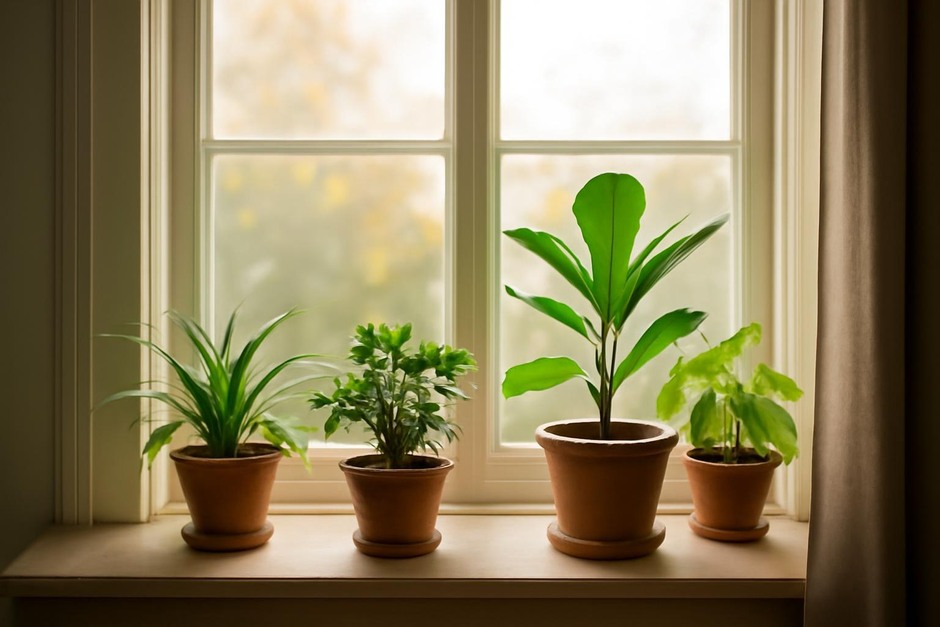
There’s a distinct, gentle quality to daylight when seasons tilt toward shorter days: it arrives later, travels lower, and spills into corners it ignored in summer. For anyone with houseplants and a room they want to feel bright and calm, that shift is less a problem than an invitation to observe and make small, useful changes.
1. Read the room: notice subtle shifts before overreacting
Start with a quiet walk through your space. Spend five minutes at different times of the day and take note of where light lingers and where it falls away. Pay attention to:
- Morning and late afternoon spots: Some windows pick up a warm, angled glow that lasts longer than midday sun; these are valuable for plants that prefer filtered light.
- Cold corners: Areas that feel colder or draftier can affect a plant’s growth even if they get some light; keep sensitive specimens away from those edges.
- Reflected light: Pale walls or shiny surfaces can brighten a spot noticeably. A plant that looks shaded might be getting usable reflected light instead of direct sun.
Making a quick mental or paper map helps you avoid wholesale rearrangements. Often the best adjustment is moving one pot a few inches, not redecorating the whole room.
2. Reposition and rotate with intention
Shorter days mean the angle of incoming sun changes. Test small moves over a week rather than committing immediately. A few principles to guide you:
- Move toward light gradually: If a plant seems to stretch or pale, try nudging it closer to brighter windows in increments of a few inches, observing results after several days.
- Rotate on a gentle schedule: Turn pots every one to two weeks so growth doesn’t lean toward the window. In lower light, plants need less frequent turning than in high summer, so slower is better.
- Group by need: Cluster plants with similar light and temperature preferences. Grouping also raises local humidity slightly and makes care routines simpler.
When you move a plant, give it a week to settle. If new leaves look better, the position works; if not, try another small adjustment.
3. Tweak care routines for the season
Plants often slow their growth in shorter days, and their care needs change accordingly. Small changes to routines keep things healthy without adding busywork.
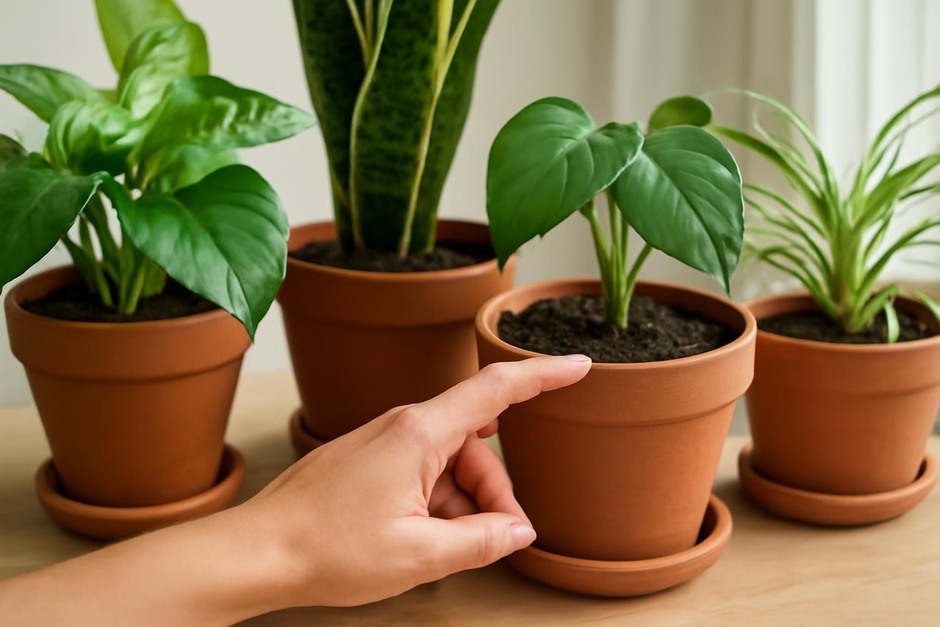
- Watering: Check soil more than you follow a calendar. Cooler, dimmer conditions mean soil dries more slowly. Water only when the top inch feels dry for most common houseplants.
- Feeding: Reduce or pause regular fertilizing for many plants during their slower months. If you continue, use a diluted feed and apply less frequently.
- Cleaning and pruning: Wiping dust from leaves lets available light reach the plant more effectively. Trim a few yellowing leaves to keep energy focused on healthy growth.
Keep care simple: a steady habit of looking and responding beats strict schedules that don’t match changing light and temperature.
4. Add gentle light and reflective tricks, not harsh fixes
When a room feels dim, you don’t need bright, clinical light. Subtle enhancements can preserve atmosphere while supporting plants.
- Reflective surfaces: A pale rug, light curtain, or a mirror placed opposite a window can bounce more daylight into the room without altering its character.
- Task lighting: A small grow or full-spectrum lamp over a treasured plant or a reading nook can help during the shortest weeks. Position lights to mimic the angle of daytime sun and use timers to avoid long, unnecessary runs.
- Layered light: Combine soft overhead lighting with a table lamp to keep the room warm and visually open. Plants appreciate consistent gentle light more than intense, brief bursts.
Moderation matters: aim for balance so your space stays comfortable for living, not just optimal for plants.
Conclusion: small experiments, steady adjustments
Shorter days ask for attention, not overhaul. Make small, intentional experiments—move a pot a few inches, wipe a few leaves, dim a schedule—and observe over a week or two. Those tiny adjustments add up: your plants will find a rhythm with the new light, and your room will keep its gentle brightness without losing the calm character that makes it feel like home.