Two Practical Ways to Care for Multiple Houseplants (and How to Pick One)
When you have several houseplants, the idea of daily upkeep can feel overwhelming. Two reliable approaches suit most homes: quick rounds you do frequently, and focused sessions you do less often but for longer. Both can keep plants thriving; the right one depends on your schedule, the kinds of plants you own, and how much time you want to spend. Below is a practical comparison followed by guidance to choose and a short repeatable routine you can use with either approach.
Approach 1 — Quick Rounds: brief, often, and consistent
Quick rounds are short checks you perform almost every day or every other day. Think of a five- to ten-minute walk through your plant collection. The goal is to catch small issues early and keep basic tasks up to date.
Pros
- Frequent observation helps you notice pests, wilting, or sunburn quickly.
- Tasks like minor watering or wiping dusty leaves can be spread out so nothing builds up.
- Works well for plants that change quickly (seedlings, fast growers) or for someone who likes a short daily ritual.
Cons
- May feel fragmented if you prefer to batch tasks.
- Less time for deeper work like repotting or more thorough pruning.
Approach 2 — Focused Sessions: slower, deeper, and scheduled
Focused sessions are longer, scheduled blocks—often weekly or biweekly—where you carry out a fuller set of tasks. Expect to spend 20–60 minutes checking, watering, pruning, and doing maintenance all at once.
Pros
- Allows deeper inspection, heavier pruning, and more efficient batch tasks (fertilizing, repotting prep).
- Feels like a single, satisfying chore instead of many small ones.
- Good for people who prefer set routines and block scheduling.
Cons
- Issues that develop between sessions may go unnoticed longer.
- Plants with fast-changing moisture needs might suffer if left too long without checks.
How to pick between them
Choose based on these practical factors:
- Plant types: Succulents and cacti tolerate longer gaps; ferns, some tropicals, and seedlings often benefit from frequent checks.
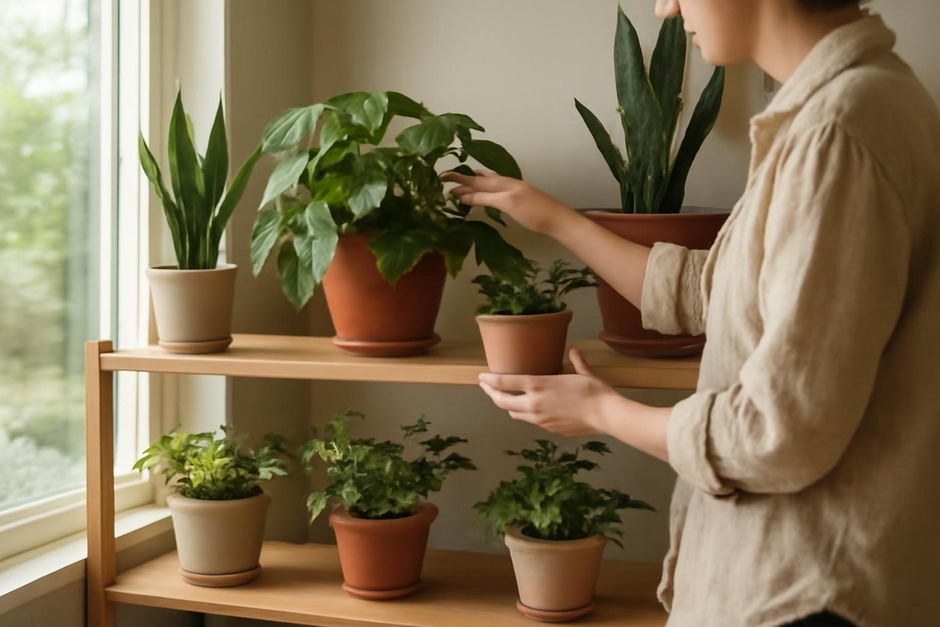
- Number of plants: If you have a large collection, quick rounds keep small issues from multiplying. For a compact group, focused sessions can be efficient.
- Your schedule and habits: If you enjoy short daily rituals, quick rounds fit naturally. If you prefer batching chores, a focused session will feel less disruptive.
- Risk tolerance: If you want to minimize surprises (pests, overwatering), more frequent observation reduces risk.
A short repeatable routine you can use either way
Below is a simple checklist you can adapt: do it in a 5–10 minute loop for quick rounds, or expand each step into 20–45 minutes for focused sessions.
- Light check (30–60 seconds each): Note whether plants are receiving the light they need. Move any glaringly out-of-place pots a few inches if necessary.
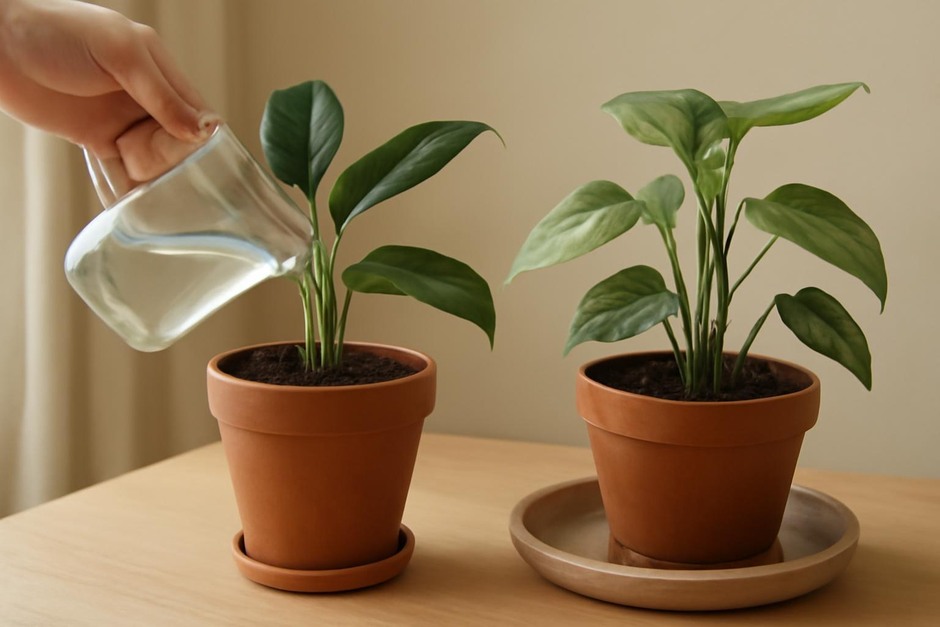
- Soil moisture test (1 minute): Stick a finger or a moisture probe 1–2 inches into the soil of each plant. Decide whether to water, not water, or mark for the focused session.
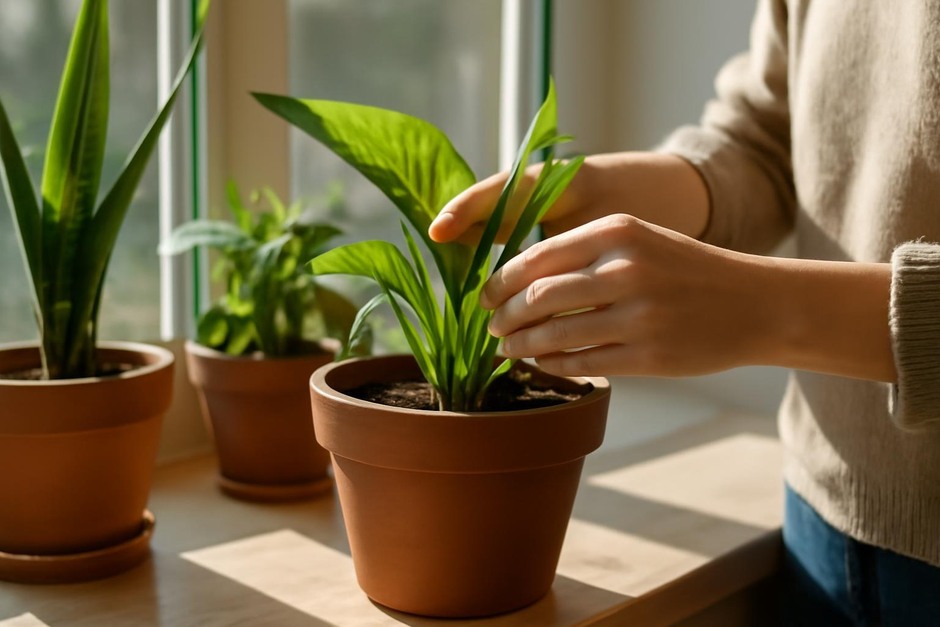
- Leaf scan (1–3 minutes): Look for yellowing, brown tips, spots, or pests. Wipe dust from a couple of broad leaves to improve light absorption.
- Minor grooming (1–4 minutes): Remove obvious dead foliage and spent blooms. For a focused session, do careful pruning and shaping.
- Rotate and reposition (30 seconds): Rotate pots a quarter or half turn to promote even growth and check for signs of uneven light exposure.
- Record and schedule (30–60 seconds): Jot a brief note—watered, needs repotting, pest noticed—so nothing is forgotten between visits.
For quick rounds, keep a small notebook or app with one line per plant to track water days. For focused sessions, bring a larger checklist and tools: pruning shears, diluted fertilizer if due, clean cloth, and a watering pitcher.
One last practical tip
Mix the approaches if you like: do quick rounds most days and a focused session once every two weeks. That hybrid gives you the consistency of frequent checks with the deeper care of longer sessions. Whichever approach you pick, aim for regularity—plants respond best to predictable attention rather than bursts of care followed by neglect.
Try the short routine for two weeks, notice how your plants respond, then tweak the cadence to match your life and your plants’ needs. A small, repeatable habit often keeps indoor greenery happier than the most elaborate plan you don’t maintain.