Localized vs Whole‑Room Humidification: Picking the Right Strategy for Houseplants in Dry Seasons
When indoor air dries out—most commonly in colder months—many houseplants slow growth, drop leaves, or develop brown edges. Two practical strategies are commonly used: localized humidity (keeping extra moisture close to individual plants) and whole‑room humidification (raising the humidity for the entire space). Both can help, but they work in different ways and suit different houses, plant collections, and routines. Below is a side‑by‑side comparison followed by guidance to choose which approach fits your situation.
How the two approaches differ
Localized humidity: targeted, low‑cost, low‑impact
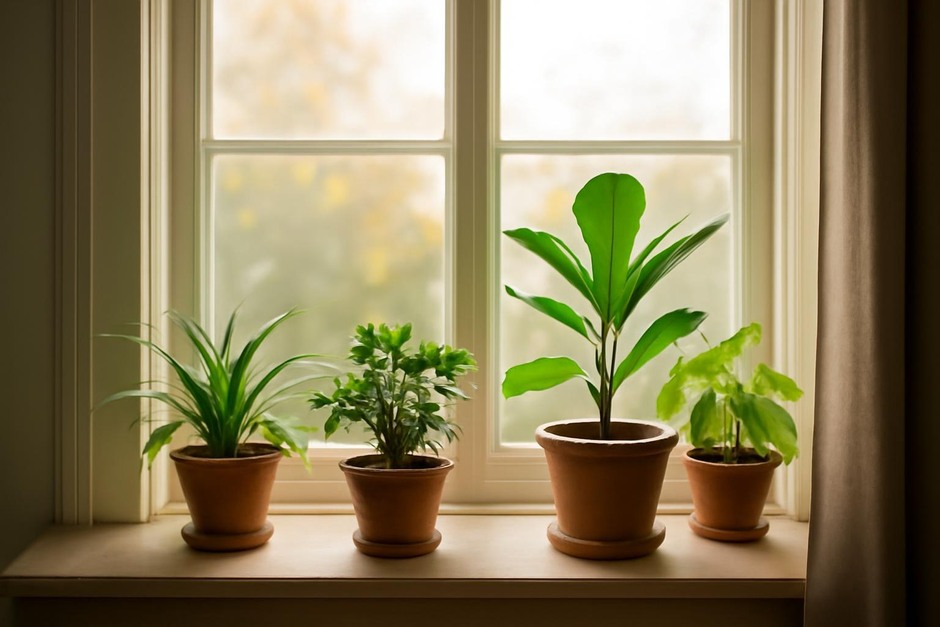
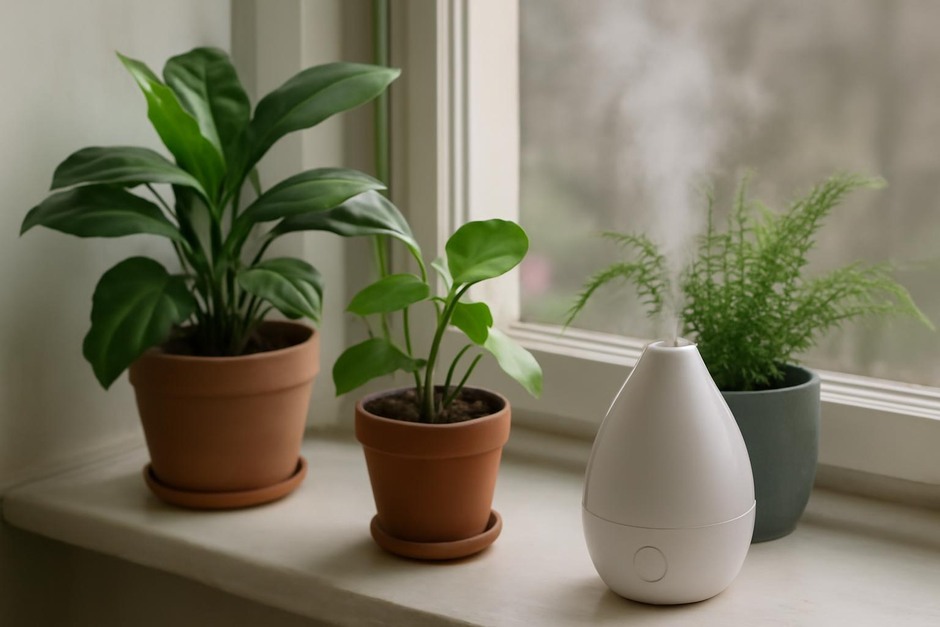
Localized methods focus humidity on a plant or a small group. Common examples include pebble trays, grouping plants together, placing plants in more humid microclimates like bathrooms, occasional misting, or using small decorative humidifiers aimed at a shelf or plant corner.
- Pros: inexpensive, immediate improvement for a few plants, minimal effect on room comfort, simple to set up.
- Cons: benefits are limited to the immediate area; not ideal if you want to raise humidity for many plants or for human comfort; requires more spot‑by‑spot maintenance.
- Best for: a handful of tropical plants with higher humidity needs, renters who can’t install appliances, or rooms with sensitive finishes where extra humidity would be undesirable.
Whole‑room humidification: consistent, controlled, broader effects
Whole‑room approaches rely on an appliance (ultrasonic or evaporative humidifier) or passive methods (raising indoor plants in a dedicated room, adding water features) to increase humidity across a larger area.
- Pros: provides steady humidity for many plants at once, improves overall comfort and helps wooden furniture and instruments when used responsibly, can be automated with a humidistat for consistent results.
- Cons: higher upfront cost and ongoing maintenance (cleaning, refilling), risk of over‑humidifying if not monitored, potential for condensation on windows or walls in poorly ventilated rooms.
- Best for: larger collections, conservatory or sunroom settings, households with multiple humidity‑loving plants, or anyone who wants to improve air comfort in a living space.
Practical markers that should guide your choice
To pick between localized and whole‑room humidification, consider a few practical markers. Below are questions and quick actions to help you decide.
- How many plants need help?
- If it’s just a few pots on a shelf or windowsill, localized methods are usually faster and cheaper.
- If several rooms or a whole collection are affected, whole‑room humidification will be less fuss over time.
- How dry is the room?
- Measure roughly with a simple room hygrometer (under $20) if you can. Readings under 30% during the heating season often justify more than spot treatments.
- 40–50% is comfortable for many tropical houseplants; if you’re regularly below that across the room, consider whole‑room measures.
- How well ventilated is the space?
- Good ventilation reduces the risk of condensation and mold when adding humidity to a room. If ventilation is poor, localized methods keep extra moisture where you want it.
- Do people or materials in the room react to humidity?
- If occupants have allergies, or if delicate antiques or exposed window sills are nearby, targeted methods lower the chance of unintended effects.
- How much time and budget can you commit?
- Small trays and plant groupings are inexpensive and low‑maintenance. Whole‑room humidifiers require a bit more investment and regular cleaning to prevent mineral or microbial buildup.
Starter plans: simple setups to try this season
Starter plan for localized humidity
- Arrange three to six plants together on a shallow tray filled with pebbles and water. Keep pots on the pebbles so pots aren’t sitting directly in water.
- Place this grouping near the room’s warmest window but away from direct draft points like cold windowsills.
- Top up the tray as it evaporates and check leaves for signs of too much splash or algae—wipe the tray occasionally.
Starter plan for whole‑room humidification
- Buy an appropriately sized humidifier for the room; look for a model with a built‑in humidistat if possible so it runs only as needed.
- Set the humidistat around 45% to start. Keep the unit away from walls and electronics and follow a weekly cleaning routine per the manufacturer’s guidance.
- Monitor windows and corners for condensation during the first week and lower the set point if you see persistent dampness.
Both strategies can be combined: run a small humidifier for a plant nook while using pebble trays on a bedroom shelf. The simplest rule of thumb is to match scale to need: localized fixes for a few plants and whole‑room solutions for larger collections or consistent seasonal dryness. Start small, observe how your plants respond over two to four weeks, and adjust—this seasonal tuning keeps rooms and plants comfortable without overcomplicating care.