Measuring vs. Watching: Two Practical Ways to Track Indoor Plant Health
Keeping houseplants healthy is as much about noticing as it is about doing. Two reliable approaches to that noticing are: one, using measurements and tools to quantify conditions; and two, training your senses and notes to read plants directly. Each approach has clear strengths and limits. Below is a calm comparison followed by practical guidance to choose—or combine—them for your space and plants.
Two approaches, side by side
Measurement-based monitoring (tools and numbers)
- What it is: Using simple instruments—light meter or phone app, thermometer, hygrometer, and a moisture probe—to record conditions and track changes over time.
- Strengths: Objective data helps remove guesswork. It’s useful where conditions change (single-pane windows, open doors) or when you care for many plants with differing needs. Measurements are repeatable and easy to compare across spots and seasons.
- Limits: Instruments don’t read plant health directly. A good reading can’t replace inspecting roots or noticing a pest. Some meters give a false sense of certainty if used without context.
Observation-based monitoring (close watching and simple records)
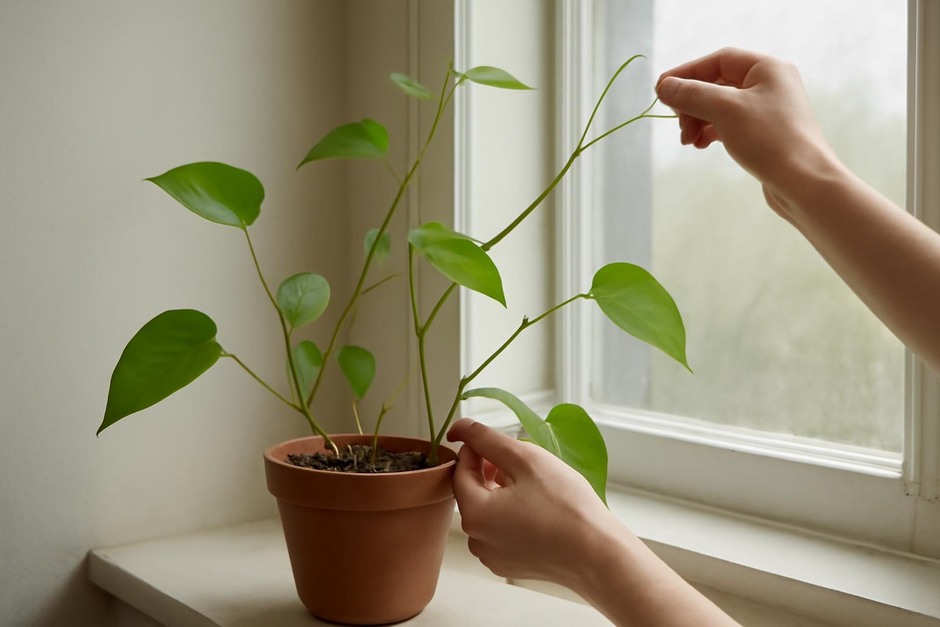
- What it is: Regular sensory checks—leaf posture, new growth, color, soil surface condition—combined with short notes or photos. It leans on developing familiarity with each plant’s normal look and rhythm.
- Strengths: Directly tied to the plant’s condition and behavior. It catches early signs of stress, pests, or growth shifts that numbers can miss. Low cost and flexible: you can do it while making coffee.
- Limits: Subjective and dependent on experience. Without records, subtle trends can be missed. New plant owners may misread natural variations for problems.
Small experiments to see the difference
- Three-day light match: Over three days, at the same time each afternoon, note the direction and intensity of light at a chosen pot. Use a phone light app or estimate by eye. Compare the numeric readings to how the plant’s leaves face or stretch. This reveals how numbers and plant posture correspond in your room.
- Moisture check duel: When a pot feels dry at the top, test it two ways: insert a moisture probe 2–3 inches, and separately use a finger or wooden skewer. Record both results and the plant’s response to your next watering. Repeat once a week for a month.
- Photo-log vs. meter log: Pick a growth period (a month for active growers). Take a weekly photo and a set of readings (light, temp, humidity) in the same spot. After four weeks, compare whether the plant’s visual changes map to any measured changes.
How to choose between measurement and watching
Answer these simple questions and use them to guide your method.
1. How many plants and how varied are their needs?
For a handful of similar, forgiving plants, observation is usually enough. If you manage many species with different light or humidity needs, add measurements to reduce mistakes.
2. How variable is your indoor environment?
Rooms with steady conditions (well-insulated, stable heating) favor observation. Rooms with big daily shifts—cold nights, bright afternoons, or a frequently opened door—benefit from objective readings to spot extremes.
3. What is your time and attention budget?
If you enjoy a short daily ritual, observation fits well. If you prefer a quick weekly check that yields clear thresholds for action, measurement can be economical.
4. How comfortable are you with ambiguity?
Measurements reduce ambiguity but require interpretation. Observation accepts some uncertainty but often catches issues earlier if you look frequently.
Practical hybrid plan (best of both worlds)
Mixing the approaches gives reliable results with minimal fuss. Try this simple routine for the first month in a new spot.
- Place one basic sensor (thermometer + hygrometer) in the room and note its readings once a week.
- Choose one light reading spot near your key windows and measure midday light twice during the month (morning and afternoon) to map extremes.
- Do a five-minute observational check three times a week: leaf angle, soil surface, one-sentence note or a quick phone photo.
- After four weeks, compare notes. If plants are thriving, reduce measurement frequency. If a problem appears, increase measurement to pinpoint cause.
Quick routines to try
- Observation-first routine: Daily glance + weekly photo log + finger-test watering.
- Measurement-first routine: Weekly sensor readout + scheduled watering guided by probe + monthly photo check.
- Balanced routine: Weekly temperature/humidity check + mid-month light spot check + casual three-times-weekly visual checks.
Both approaches teach you about your plants. Measurements give clear numbers to act on; careful watching teaches the language of leaves and growth. Start with the one that feels easiest, run the small experiments above, and adjust. Over time you’ll build a record that fits your space and a quiet confidence in knowing what each plant needs.