When the Pot Lets You Down: Four Quiet Fixes for Common Potting Mistakes
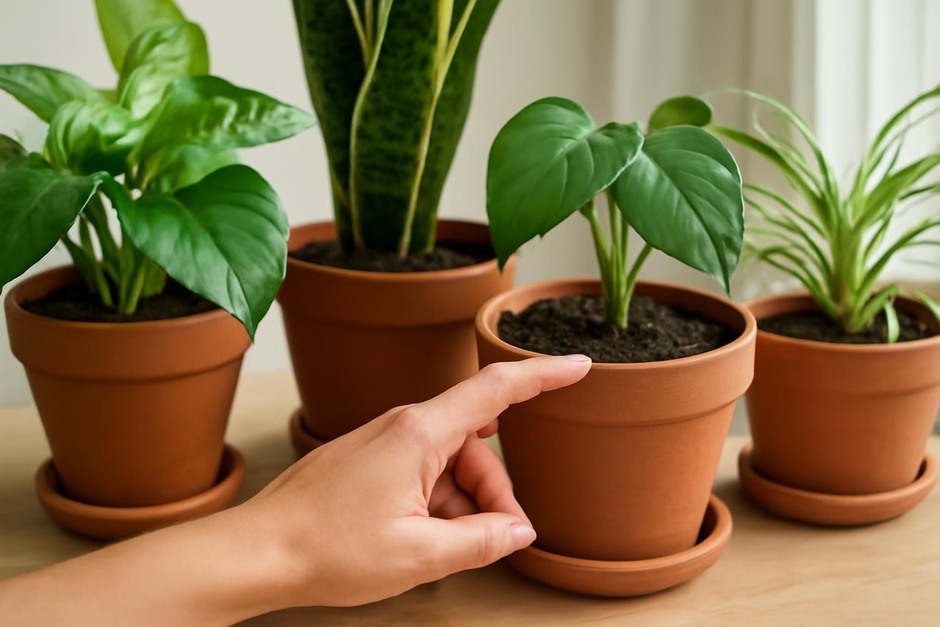
You notice a plant sitting a little awkwardly in its pot, or its soil looks flat and hard despite recent watering. Potting problems are one of the quieter reasons a houseplant feels off. They rarely require dramatic action—usually a few measured, thoughtful adjustments will bring a plant back to comfortable growth. Below are four common potting mistakes and calm, practical corrections you can try.
1. Choosing a Pot That’s Too Big or Too Small
Common mistakes
- Picking a much larger pot because it seems like less frequent repotting will be easier.
- Sticking with a tiny pot after a plant has clearly outgrown it, hoping it will adapt without checking roots.
- Ignoring pot depth versus width—some roots prefer horizontal space, others vertical.
Calm corrections
- Match size to roots: Move up one pot size at a time—typically 1–2 inches wider—so the plant has room to grow without excess soil staying damp too long.
- Consider the root habit: For shallow-rooted rosettes and most foliage plants, prioritize width. For tall, cane-type or deep-rooted plants, choose a deeper pot.
- When in doubt, peek: If roots are circling the pot or coming out the drainage hole, it’s time to repot. If they’re sparse, delay repotting or choose only a slightly larger container.
2. Compacted or Depleted Soil
Common mistakes
- Assuming the potting mix will stay airy forever; over time mixes can settle and compact.
- Using garden soil or dense mixes that hold too much water for container culture.
- Letting old soil remain after several growing seasons without refreshing nutrients or structure.
Calm corrections
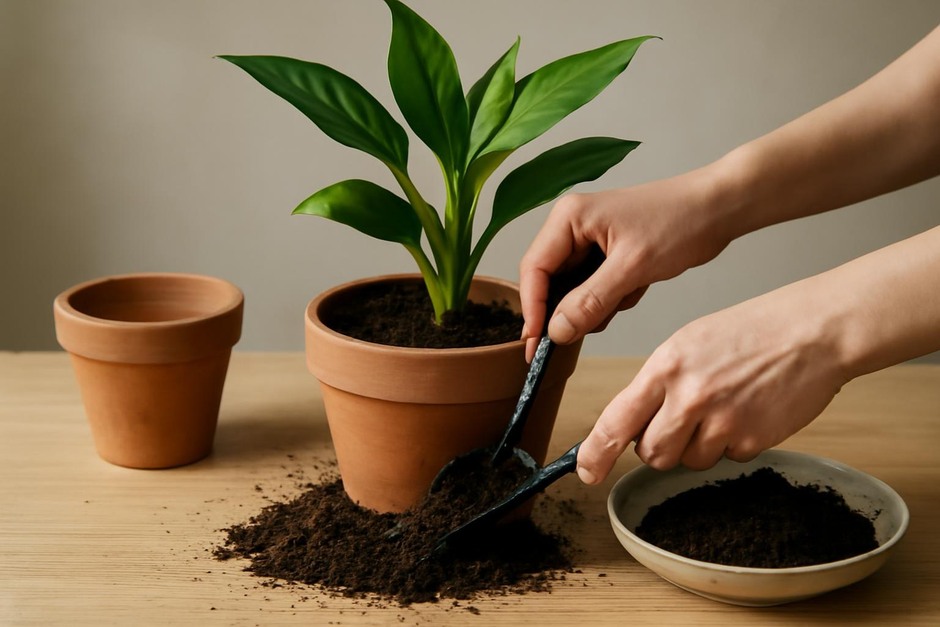
- Refresh gradually: For mature plants, replace the top 1–2 inches of soil with fresh mix to replenish nutrients and lighten the surface.
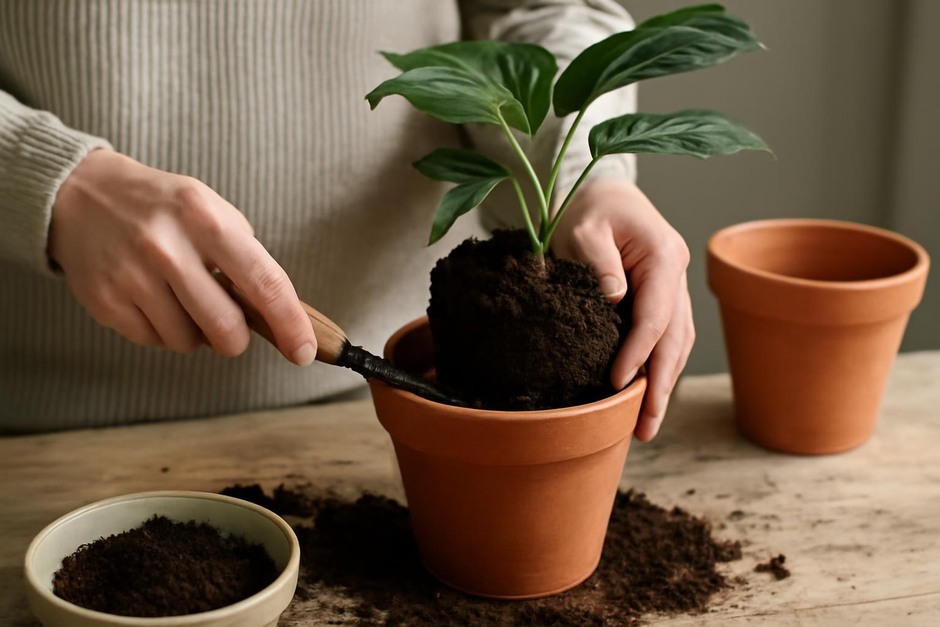
- Repot when necessary: If water sits on the surface or drains very slowly, repot into a fresh, well-draining mix. Gently loosen root-bound roots rather than aggressively tearing them.
- Choose mixes for the plant: Use an airy, fast-draining mix for succulents and cacti, and a moisture-retentive but still airy mix for tropical foliage—amend with perlite, pumice, or coarse sand as needed.
3. Poor Drainage and Ignored Drainage Holes
Common mistakes
- Using pots without drainage or blocking holes with rocks or fabric that impede flow.
- Assuming a saucer alone is enough—standing water can keep soil constantly wet.
- Overusing decorative containers without an inner pot or plan for drainage.
Calm corrections
- Always favor pots with drainage: If a decorative outer pot lacks a hole, plant into a removable inner nursery pot and take it out to water and drain.
- Clear and test holes: Make sure drainage holes are not clogged by compacted soil. Water once and watch how quickly it passes through.
- Use saucers thoughtfully: Empty saucers promptly after watering. If you need humidity, use a pebble tray with water separated from the pot base.
4. Using the Wrong Soil Mix for the Plant
Common mistakes
- One mix fits all thinking—using a general-purpose potting soil for plants that need special textures.
- Adding too much organic matter for plants that prefer mineral-heavy or gritty mixes.
- Not adjusting soil after noticing signs like slow drying, yellowing leaves, or stunted growth.
Calm corrections
- Match mix to species: Learn whether a plant prefers airy, quick-draining soil (most succulents, orchids) or a more moisture-retentive mix (many tropicals), and adjust the ratio of peat/compost to mineral amendments accordingly.
- Make small mixes: Blend small batches of potting mix with perlite, pumice, or bark to experiment. Small adjustments let you observe results without committing large plants to huge changes.
- Watch and tweak: If a plant shows water‑related stress—too wet or too dry—try a small repot into a blend shifted toward more drainage or more retention, then observe over a few weeks.
Conclusion: Potting issues often look more serious than they are. With a calm, stepwise approach—matching pot size to roots, refreshing compacted soil, ensuring free drainage, and choosing a fitting soil mix—you can correct most common problems without rushing. Treat each adjustment as a gentle experiment, make one change at a time, and let the plant tell you what it prefers.